The strange case of "not alive, yet still creepy"
The inorganic category of trypophobia is fascinating: these are man-made objects and materials — not living things — that still provoke strong reactions. The fact that we react despite no connection to dangerous creatures supports the theory that trypophobia is a response to patterns, not objects.
- Sponges and pumice: textures riddled with countless holes.
- Showerheads and speaker mesh: small holes in a regular grid.
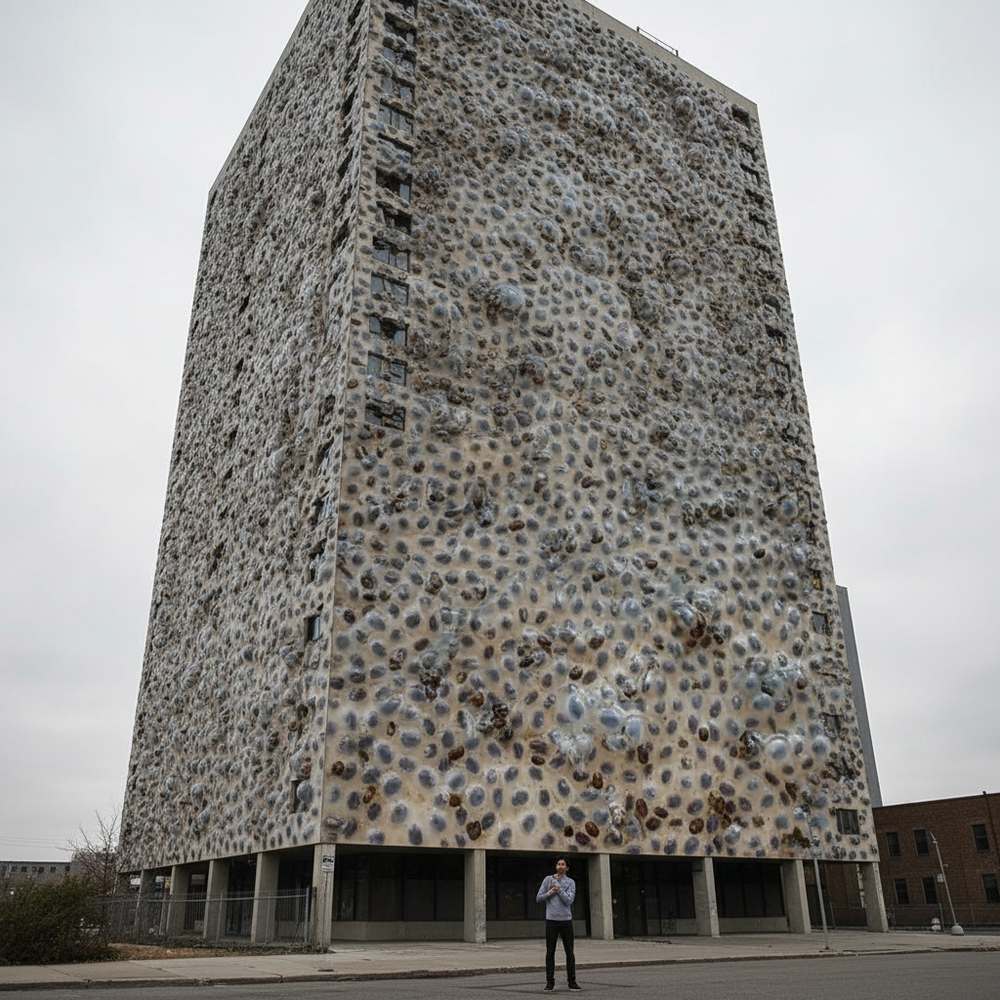
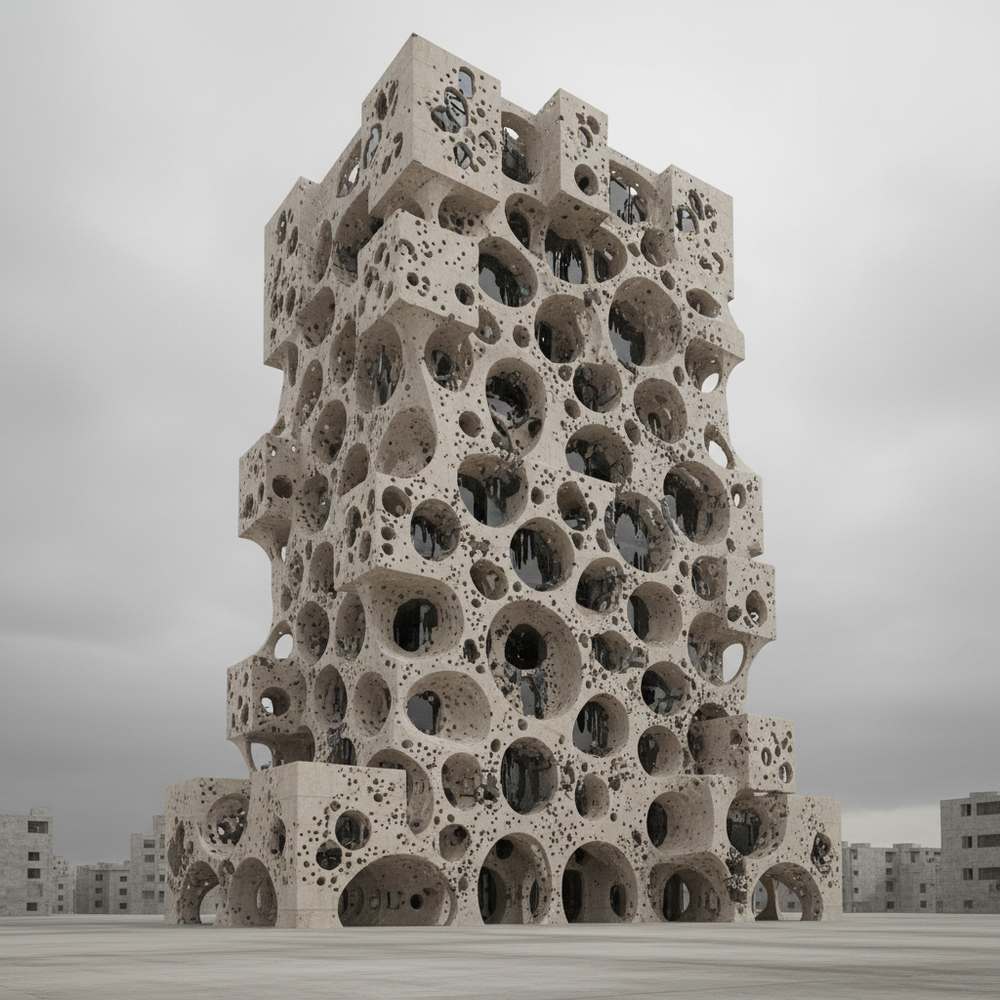
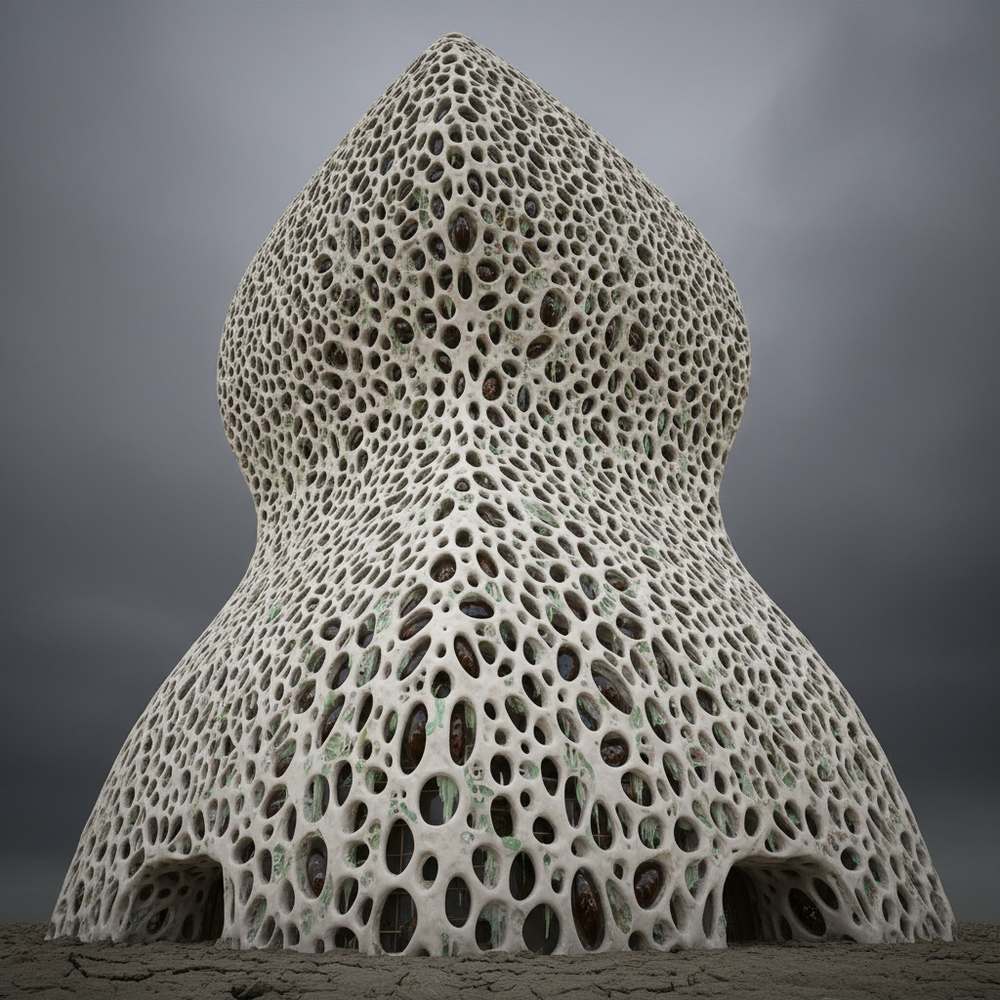
- Building facades and bubbly concrete: structures lined with holes large and small.
- Foam and bubble wrap: patterns of densely packed spheres.
These are completely harmless, yet their high-density, repeating patterns are thought to strain visual processing and produce discomfort.
How many levels can you handle?
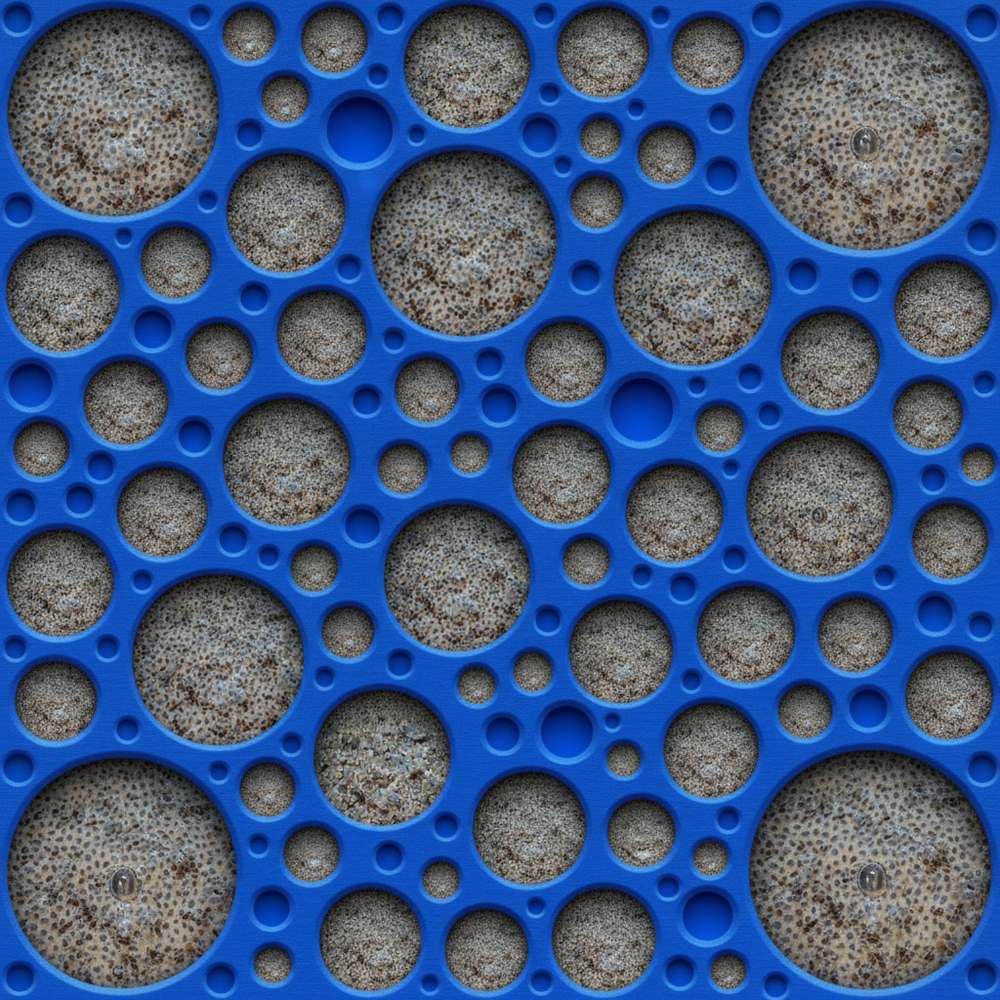
We've prepared inorganic specimens step by step from Level 1 (mild) to Level 4 (advanced). Look from the top down and find where mild unease turns into a real shiver.
Learn your tendency with the test
Whether you react to inorganic patterns is a clue to your sensitivity type. Use our free trypophobia test to measure all seven categories and check which patterns you're weakest against.